
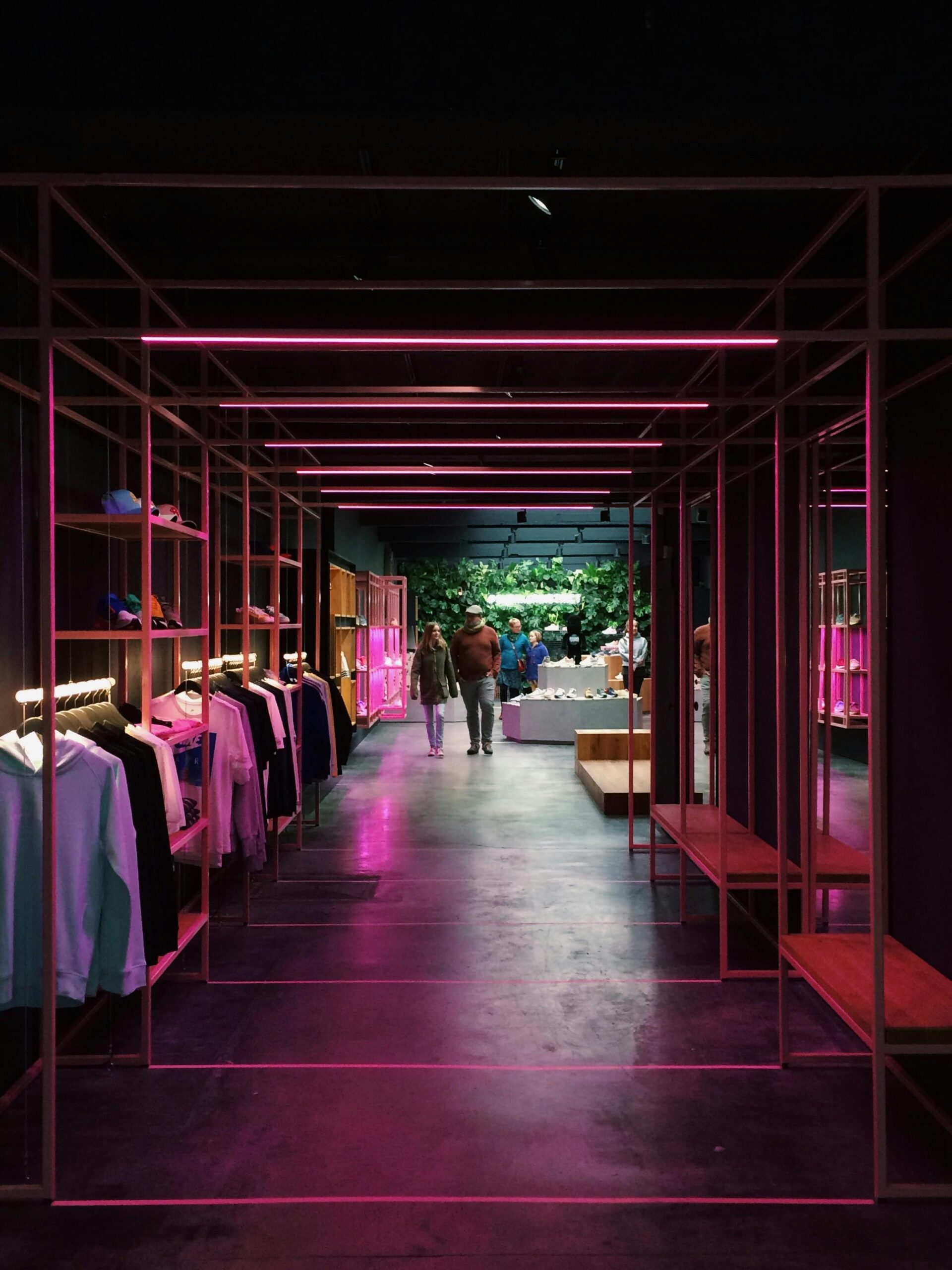
- Genuine comfort and casoolas.com for lasting home relaxation and peaceful living
- The Importance of Comfortable Seating
- Selecting the Right Materials for Your Home
- Creating a Relaxing Bedroom Sanctuary
- Optimizing Your Bedroom for Sleep
- Utilizing Soft Furnishings for Comfort and Style
- Layering Textures for a Cozy Atmosphere
- The Benefits of Natural Light and Indoor Plants
- Cultivating Lasting Comfort Beyond Aesthetics
Genuine comfort and casoolas.com for lasting home relaxation and peaceful living
casoolas.com. In today's fast-paced world, the pursuit of genuine comfort within our homes has become paramount. We crave spaces that offer respite from the daily grind, havens where we can truly relax and recharge. Many individuals are seeking ways to cultivate a sense of peaceful living, and a significant part of achieving this lies in the quality and thoughtfulness of our home environment. Creating such a space isn't about extravagant displays of wealth, but rather about investing in elements that promote tranquility and well-being. Finding resources dedicated to comfortable living solutions can be a vital step. Exploring options like those presented at
The concept of "home" has evolved beyond a mere physical structure; it’s now intrinsically linked to our emotional and mental health. A comfortable home fosters a sense of security, allowing us to de-stress and reconnect with ourselves and loved ones. It’s about creating an atmosphere that nurtures creativity, encourages restful sleep, and supports a healthy lifestyle. This requires attention to detail, from the furniture we choose to the colours we paint our walls. Quality materials, thoughtful design, and a focus on practicality all contribute to the overall sense of well-being a home can provide. This is why considering diverse aspects of home comfort, and resources like those available at
The Importance of Comfortable Seating
When considering home relaxation, comfortable seating is arguably the cornerstone. The sofas, armchairs, and even dining chairs we use daily have a profound impact on our physical and mental state. After a long day, sinking into a supportive and inviting seat can instantly alleviate tension and promote relaxation. However, simply choosing a visually appealing piece isn’t enough; ergonomics, material quality, and overall design must be carefully considered. A poorly designed chair can lead to back pain, discomfort, and ultimately negate the intended benefits of relaxation. Investing in high-quality seating is an investment in your long-term well-being. Different materials offer different levels of comfort. For example, plush velvet can offer a luxurious feel, while durable linen provides a more casual and breathable experience.
Selecting the Right Materials for Your Home
The materials used in furniture and home décor significantly contribute to the overall atmosphere and comfort of a space. Natural fibers like cotton, linen, and wool are known for their breathability and softness, making them ideal for creating a cozy and inviting environment. Conversely, synthetic materials like polyester and acrylic are often more durable and stain-resistant, making them practical choices for high-traffic areas or homes with children and pets. The key is to strike a balance between aesthetics, functionality, and personal preference. Consider the climate in your region as well. In warmer climates, lighter, more breathable fabrics are preferred, while colder climates benefit from warmer, more insulating materials. Sustainable materials are also gaining popularity as people become more environmentally conscious. Choosing recycled or ethically sourced materials can add an extra layer of comfort knowing your choices are aligned with your values.
| Material | Pros | Cons |
|---|---|---|
| Cotton | Breathable, soft, affordable | Wrinkles easily, can stain |
| Linen | Highly breathable, durable, natural | Expensive, wrinkles easily |
| Wool | Warm, durable, naturally fire-resistant | Can be itchy, requires careful cleaning |
| Polyester | Durable, stain-resistant, affordable | Not breathable, can feel synthetic |
Beyond the material itself, the construction quality of your furniture is crucial. A well-built piece will not only last longer but also provide superior support and comfort. Look for solid wood frames, high-density foam cushions, and durable upholstery fabrics. Pay attention to the stitching and finishing details, as these are indicators of craftsmanship. Investing in quality pieces might cost more upfront, but it will save you money in the long run by avoiding frequent replacements. And it’s important to remember the aesthetic contribution of chosen materials. A considered palette of textures and tones can really elevate a space.
Creating a Relaxing Bedroom Sanctuary
The bedroom should be a sanctuary dedicated to rest and rejuvenation. Creating a relaxing atmosphere in this space is essential for promoting quality sleep and overall well-being. This involves careful consideration of color palettes, lighting, and bedroom accessories. Soft, muted colors like blues, greens, and grays are known for their calming effects, while bright, vibrant colors can be stimulating and disruptive to sleep. Lighting plays a crucial role as well; dimmable lights and blackout curtains can help create a dark and peaceful environment conducive to sleep. Minimizing clutter and removing electronic devices from the bedroom can also contribute to a more restful atmosphere. A comfortable mattress and high-quality bedding are non-negotiable for a good night’s sleep. Many individuals find resources such as those found on
Optimizing Your Bedroom for Sleep
Beyond aesthetics, there are several practical steps you can take to optimize your bedroom for sleep. Maintaining a cool room temperature is crucial, as your body temperature naturally drops during sleep. Investing in a comfortable mattress and supportive pillows is also essential. Consider introducing white noise or a sleep sound machine to block out distractions and create a more peaceful environment. Establishing a regular sleep schedule and avoiding caffeine and alcohol before bed can significantly improve your sleep quality. The bedroom should be a technology-free zone; avoid using electronic devices in bed, as the blue light emitted from screens can interfere with melatonin production. Regular cleaning and airing out of the bedroom will also improve the air quality and create a more refreshing sleep environment.
- Invest in blackout curtains to completely block out light.
- Use a comfortable mattress and pillows to support your body.
- Maintain a cool room temperature for optimal sleep.
- Establish a regular sleep schedule and stick to it.
- Avoid caffeine and alcohol before bed.
Prioritizing sleep hygiene – the practices and habits necessary to have good nighttime sleep quality – is crucial not only for improved mood and productivity but also for long-term health. The bedroom is the central location for implementing good sleep hygiene, and considering every detail – from light exposure to noise levels – will contribute to a more restful and restorative night’s sleep. Creating a bedroom environment that promotes relaxation and sleep is an investment in your overall well-being.
Utilizing Soft Furnishings for Comfort and Style
Soft furnishings, such as rugs, curtains, cushions, and throws, play a significant role in adding warmth, texture, and comfort to a home. These elements can transform a sterile space into a cozy and inviting retreat. Rugs define areas, dampen sound, and add a layer of comfort underfoot. Curtains not only provide privacy but also control light and add a decorative element to a room. Cushions and throws add pops of color, pattern, and texture, and provide additional comfort for seating. Choosing the right soft furnishings can enhance the overall aesthetic of a space while also contributing to its comfort and functionality. Consider the existing color scheme and style of your home when selecting soft furnishings, and don’t be afraid to experiment with different textures and patterns to create visual interest. Resources detailing complementary patterns and shades, like those on
Layering Textures for a Cozy Atmosphere
Layering textures is a key design principle for creating a cozy and inviting atmosphere. Combining different materials and finishes adds depth and visual interest to a space. For example, pairing a velvet sofa with a knitted throw and a wool rug creates a warm and inviting combination. Using different textures can also help to define different areas within a room. A plush rug can create a cozy reading nook, while a smooth silk throw can add a touch of luxury to a bedroom. Don't be afraid to mix and match textures, but be mindful of creating a cohesive look. Consider the overall style of your home and choose textures that complement each other. Adding natural elements like wood, stone, and plants can further enhance the cozy atmosphere. This approach can breathe new life into existing spaces, turning them into havens of relaxed living.
- Start with a neutral base color.
- Add layers of texture with rugs, curtains, and cushions.
- Mix different materials and finishes.
- Consider the overall style of your home.
- Don't be afraid to experiment.
The selection of soft furnishings shouldn’t be an afterthought. It’s a powerful way to express your personal style and create a space that truly reflects your personality. Thoughtful choices create an environment that is both aesthetically pleasing and incredibly comfortable. Investing in high-quality soft furnishings will also ensure they last for years to come, providing lasting comfort and enjoyment.
The Benefits of Natural Light and Indoor Plants
Natural light and indoor plants have a profound impact on our well-being, both physically and mentally. Exposure to natural light regulates our circadian rhythm, improving sleep quality and boosting mood. Indoor plants purify the air, removing toxins and increasing oxygen levels. They also add a touch of nature to our homes, creating a more calming and restorative environment. Studies have shown that being around plants can reduce stress, anxiety, and even blood pressure. Maximizing natural light in your home is crucial, so keep windows clean and unobstructed. Supplement with artificial light when necessary, using warm-toned bulbs to create a cozy atmosphere. Choosing the right indoor plants is also important; opt for varieties that thrive in your home’s conditions and require minimal maintenance. Many suggestions for low-maintenance, air-purifying plants can be found online, and sites like
Cultivating Lasting Comfort Beyond Aesthetics
True home comfort extends far beyond simply having aesthetically pleasing surroundings. It's about creating a space that actively supports your physical and mental well-being, promotes relaxation, and fosters a sense of belonging. This requires a holistic approach, considering everything from the layout of your furniture to the air quality in your home. Investing in quality materials, prioritizing comfortable seating, and maximizing natural light are all important steps. However, it also involves creating routines and habits that promote relaxation, such as setting aside time for mindfulness, reading, or spending time with loved ones. The goal is to create a sanctuary where you can truly disconnect from the stresses of the world and reconnect with yourself.
Consider the emotional resonance of your spaces. What memories do you want to create within your home? How can you personalize your surroundings to reflect your values, interests, and passions? Adding personal touches, such as family photos, artwork, and handmade crafts, can make your home feel more inviting and welcoming. Regularly decluttering and organizing your space can also reduce stress and create a more peaceful environment. Ultimately, crafting a deeply comfortable home is not about following trends or adhering to strict design rules– it's about curating a space that nurtures your soul and supports your unique lifestyle. It’s an ongoing process, a continuous refinement of elements that contribute to a richer, more harmonious life within the walls that shelter you.
Leave a Reply