
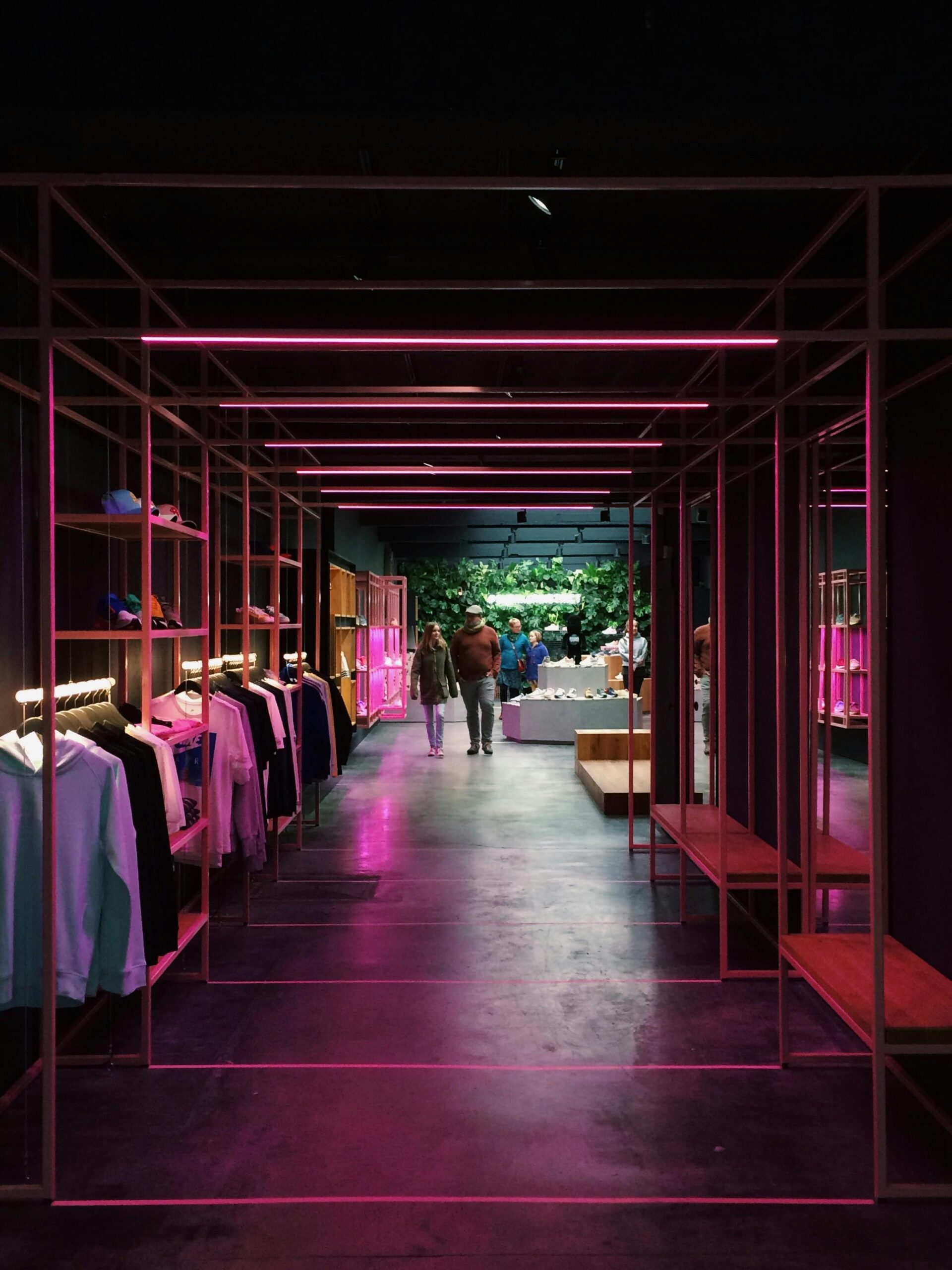
- Practical flooring options range from budget to luxury with yeadoncarpets.co.uk
- The Benefits of Carpet Flooring
- Understanding Carpet Pile and Construction
- The Advantages of Hardwood and Engineered Wood Flooring
- Comparing Solid Hardwood and Engineered Wood
- Vinyl Flooring: A Practical and Versatile Option
- Sheet Vinyl vs. LVT/LVP
- Laminate Flooring: Budget-Friendly Style
- Beyond the Basics: Considering Underlayment and Installation
- Future Trends in Flooring and Sustainable Choices
Practical flooring options range from budget to luxury with yeadoncarpets.co.uk
Choosing the right flooring can dramatically alter the feel and functionality of a space. From the warmth of a living room to the practicality of a kitchen, different surfaces offer distinct advantages. Finding a provider that balances quality, selection, and price is crucial, and that's where yeadoncarpets.co.uk comes into consideration. The modern homeowner and commercial property owner alike demand options tailored to their specific needs, and a robust flooring supplier should be able to deliver on those expectations.
The flooring market is incredibly diverse, encompassing everything from traditional hardwoods and cozy carpets to modern laminates and resilient vinyls. Understanding the nuances of each material—its durability, maintenance requirements, and aesthetic appeal—is key to making an informed decision. Beyond the material itself, factors like installation quality, warranty provisions, and overall cost contribute to the long-term satisfaction with your flooring investment. A reputable supplier, like those aiming to emulate the service standards of yeadoncarpets.co.uk, will guide you through these considerations.
The Benefits of Carpet Flooring
Carpet remains a popular choice for many homes, and for good reason. Beyond its undeniable comfort underfoot, carpet offers excellent noise reduction, creating a more peaceful living environment. This is particularly valuable in multi-story homes or apartments where sound transmission can be an issue. Furthermore, carpets contribute to improved indoor air quality by trapping dust and allergens, making it a better option for individuals with allergies or respiratory sensitivities. Modern carpet fibers are designed to resist staining and wear, ensuring longevity and maintaining a beautiful appearance for years to come. The versatility of carpet is also a major draw, available in a vast array of colours, patterns, and textures to suit any décor. From luxurious Saxony piles to durable Berber loops, there’s a carpet style to match every taste and lifestyle. Selecting the appropriate yarn, such as nylon, polyester, or wool, will further influence the carpet's performance and lifespan.
Understanding Carpet Pile and Construction
The pile of a carpet refers to the height and density of the fibers, significantly impacting its feel and durability. A cut pile carpet, where the fibers are cut at the ends, offers a softer, more plush texture, ideal for bedrooms and living rooms. Loop pile carpets, where the fibers loop back into the backing, are generally more durable and resistant to crushing, making them suitable for high-traffic areas like hallways and stairs. The carpet's construction also plays a vital role, with woven carpets offering superior strength and longevity compared to tufted carpets. Density, measured in ounces per square yard, is another critical factor – a higher density usually indicates a more durable and long-lasting carpet. Understanding these key characteristics will help you choose a carpet that not only looks great but also stands up to the demands of your everyday life.
| Carpet Type | Durability | Comfort | Maintenance |
|---|---|---|---|
| Saxony | Medium | High | Requires regular vacuuming |
| Berber | High | Medium | Relatively easy to clean |
| Frieze | Medium-High | Medium | Shows footprints easily |
| Plush | Low-Medium | Very High | Requires careful cleaning |
Ultimately, the decision comes down to lifestyle and budgetary considerations. While high-end wool carpets offer unparalleled luxury, synthetic options provide excellent value and performance for more demanding households.
The Advantages of Hardwood and Engineered Wood Flooring
Hardwood flooring is often considered the gold standard in flooring, prized for its timeless beauty, durability, and ability to add value to a home. The natural variations in wood grain and colour create a unique and sophisticated aesthetic that complements a wide range of interior styles. Properly maintained hardwood floors can last for generations, often through multiple refinishing cycles. However, hardwood is susceptible to moisture damage and can be expensive to install. Engineered wood flooring offers a more affordable and stable alternative. Constructed with a core of plywood or high-density fiberboard topped with a veneer of real wood, engineered wood resists warping and expansion in humid environments, making it suitable for basements and kitchens. It also provides a similar aesthetic to solid hardwood at a lower price point. Modern engineered wood products boast impressive durability and can often be refinished once or twice during their lifespan.
Comparing Solid Hardwood and Engineered Wood
The primary difference between solid hardwood and engineered wood lies in their construction and response to moisture. Solid hardwood is a single piece of wood, making it vulnerable to expansion and contraction with changes in humidity. This can lead to warping, gapping, or cupping. Engineered wood, with its layered construction, is much more dimensionally stable. The core material resists moisture absorption, reducing the risk of damage. Solid hardwood is generally the more expensive option, especially for exotic wood species. Engineered wood provides a cost-effective way to achieve the look of hardwood without the same level of maintenance or risk. When choosing between the two, consider the climate, the room's location, and your budget.
- Durability: Both are durable, but hardwood can be refinished more often.
- Moisture Resistance: Engineered wood is better suited for humid environments.
- Cost: Engineered wood is typically more affordable than solid hardwood.
- Installation: Both can be installed as floating floors or glued down.
Recent advancements in manufacturing have significantly improved the quality and realism of engineered wood flooring, making it an increasingly popular choice among homeowners and interior designers.
Vinyl Flooring: A Practical and Versatile Option
Vinyl flooring has come a long way in recent years, evolving from a budget-friendly option to a sophisticated and highly functional flooring solution. Luxury Vinyl Tile (LVT) and Luxury Vinyl Plank (LVP) offer the look of real wood or stone at a fraction of the cost. Vinyl is waterproof, making it an excellent choice for kitchens, bathrooms, and laundry rooms. It’s also incredibly durable and resistant to scratches, stains, and wear, making it ideal for households with children or pets. Installation is relatively easy, with click-lock systems allowing for DIY projects. Advances in printing technology have resulted in vinyl flooring that convincingly replicates the texture and appearance of natural materials. The comfort factor of vinyl is another benefit, offering a slightly softer feel underfoot compared to harder surfaces like tile or hardwood. Choosing high-quality vinyl, from trusted suppliers like those found through researching yeadoncarpets.co.uk, ensures a long-lasting and aesthetically pleasing result.
Sheet Vinyl vs. LVT/LVP
While all vinyl flooring shares common attributes, sheet vinyl, LVT, and LVP differ in their construction and appearance. Sheet vinyl comes in large rolls and is a more traditional option, offering seamless installation and excellent water resistance. However, it can be less realistic in appearance compared to LVT/LVP. LVT and LVP are manufactured in individual planks or tiles, providing a more authentic look and feel. LVT mimics stone, while LVP replicates wood. These options are typically thicker and more durable than sheet vinyl and often feature embossed textures that enhance their realism. The choice between these options depends on your budget, aesthetic preferences, and the specific requirements of the room.
- Assess your budget and prioritize features.
- Consider the room's moisture level and foot traffic.
- Choose a style that complements your home's décor.
- Research different brands and read reviews.
Proper subfloor preparation is crucial for a successful vinyl flooring installation, regardless of the type chosen. Ensure the subfloor is clean, level, and dry before proceeding.
Laminate Flooring: Budget-Friendly Style
Laminate flooring continues to be a popular choice for homeowners seeking an affordable and stylish flooring option. Constructed with a composite wood pressed together at high density, laminate offers impressive durability and scratch resistance. The photographic layer that mimics wood, stone or other materials, combined with a protective wear layer, gives laminate its aesthetic appeal. While not as waterproof as vinyl, many laminate products offer some level of water resistance. Installation is typically straightforward, with click-lock systems making it a DIY-friendly project. Laminate flooring is also relatively easy to maintain, requiring only regular sweeping and occasional damp mopping. However, laminate can sometimes feel hollow underfoot and lacks the warmth and character of natural materials. Selecting a higher-quality laminate with a thicker wear layer will improve its durability and appearance.
The main advantage of laminate flooring is its cost-effectiveness; it provides a similar look to hardwood or stone at a much lower price point. This make it a perfect choice for those on a budget or for projects where a large area needs to be covered.
Beyond the Basics: Considering Underlayment and Installation
The often-overlooked component of any flooring project is the underlayment. This layer, installed beneath the finished flooring, provides several important benefits, including sound insulation, moisture protection, and cushioning. Choosing the right underlayment can significantly improve the comfort and performance of your flooring. Different types of underlayment are available, including foam, cork, and rubber, each with its own unique properties. Installation is another crucial aspect. While some flooring options are suitable for DIY installation, others may require professional expertise. Improper installation can lead to premature wear, gaps, and other issues. Ensuring a level subfloor is paramount for any flooring installation. Addressing any imperfections in the subfloor before installing the new flooring will prevent future problems.
Investing in professional installation ensures the longevity and aesthetic appeal of your chosen flooring. A skilled installer will pay attention to details like proper transitions and edge treatments, resulting in a polished and professional finish.
Future Trends in Flooring and Sustainable Choices
The flooring industry is constantly evolving, with new materials and technologies emerging regularly. Current trends include wider plank formats in hardwood and engineered wood, textured vinyl flooring that replicates the feel of natural materials, and the increasing popularity of eco-friendly flooring options. Consumers are becoming more conscious of the environmental impact of their choices, driving demand for sustainable flooring materials like bamboo, cork, and reclaimed wood. These materials are renewable, biodegradable, and often require less energy to produce than traditional flooring options. Another evolving trend is the integration of smart technology into flooring, with sensors and embedded systems capable of monitoring temperature, humidity, and even foot traffic. Finding suppliers that prioritize sustainable practices and offer a wide selection of eco-friendly materials is increasingly important for environmentally conscious consumers.
The ongoing developments in flooring technology highlight the industry’s commitment to innovation and providing consumers with aesthetically pleasing, durable, and environmentally responsible flooring solutions.
Leave a Reply